


Top Benefits of Using Structural Steel in Construction
Structural steel has become a cornerstone of modern construction, offering a range of benefits that enhance the efficiency, safety, and sustainability of building projects. As the construction industry continues to evolve, understanding the advantages of using structural steel is essential for architects, engineers, and builders alike. This post will explore the top benefits of using structural steel in construction, providing insights into why it is a preferred material for many projects.
Durability and Strength
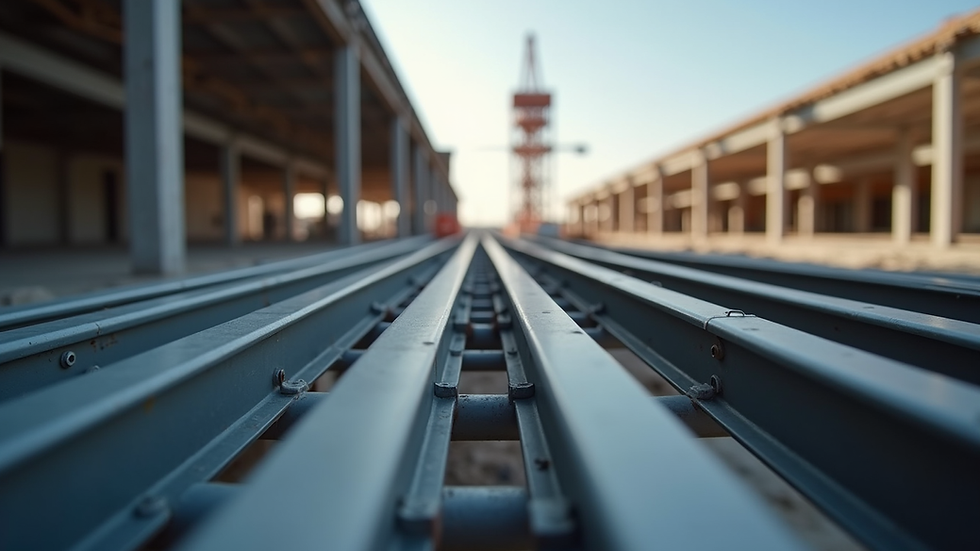
One of the most significant advantages of structural steel is its durability. Steel is known for its high strength-to-weight ratio, which means it can support heavy loads without being excessively bulky. This property allows for the construction of taller buildings and larger spans without the need for additional support columns.
Resistance to Environmental Factors
Structural steel is resistant to various environmental factors, including:
Fire: Steel can withstand high temperatures, making it less likely to collapse in the event of a fire. While it can lose strength when exposed to extreme heat, fireproofing treatments can enhance its fire resistance.
Pests: Unlike wood, steel is not susceptible to termites or other pests, ensuring the longevity of the structure.
Weather: Steel can endure harsh weather conditions, including heavy winds and rain, without compromising its integrity.
Longevity
Buildings constructed with structural steel can last for decades, often outlasting those built with other materials. This longevity translates to lower maintenance costs over time, making it a cost-effective choice for builders and property owners.
Cost-Effectiveness
While the initial cost of structural steel may be higher than other materials, its long-term benefits often outweigh these initial expenses. Here’s how:
Reduced Labor Costs
Steel structures can be prefabricated off-site, which reduces the amount of on-site labor required. This prefabrication process allows for quicker assembly, minimizing labor costs and reducing the overall construction timeline.
Lower Maintenance Costs
As mentioned earlier, the durability of structural steel means that maintenance costs are significantly lower over the lifespan of the building. Property owners can save money on repairs and upkeep, making steel a financially sound investment.
Design Flexibility
Structural steel offers unparalleled design flexibility, allowing architects and engineers to create innovative and unique structures. Here are some ways it enhances design possibilities:
Wide Range of Shapes and Sizes
Steel can be fabricated into various shapes and sizes, accommodating different architectural styles and requirements. This versatility enables the creation of complex designs that may not be possible with other materials.
Open Floor Plans
The strength of structural steel allows for larger open spaces without the need for numerous support columns. This feature is particularly beneficial in commercial buildings, where open floor plans are often desired for flexibility in layout.
Sustainability
In today’s environmentally conscious world, sustainability is a crucial factor in construction. Structural steel is a sustainable choice for several reasons:
Recyclability
Steel is one of the most recycled materials globally. At the end of its life cycle, structural steel can be recycled and repurposed, reducing waste and the demand for new raw materials. This recyclability contributes to a lower carbon footprint for construction projects.
Energy Efficiency
Buildings constructed with structural steel can be designed to be more energy-efficient. The material can be combined with insulation and other energy-saving technologies to create structures that consume less energy over their lifespan.
Safety
Safety is paramount in construction, and structural steel contributes to a safer building environment in several ways:
Enhanced Structural Integrity
The strength of steel provides enhanced structural integrity, reducing the risk of collapse during extreme weather events or seismic activity. This reliability is crucial for ensuring the safety of occupants.
Fire Safety
As previously mentioned, structural steel has inherent fire-resistant properties. Additionally, fireproofing treatments can be applied to further enhance its safety in the event of a fire.
Speed of Construction
Time is money in the construction industry, and structural steel can significantly speed up the building process. Here’s how:
Prefabrication
As steel components can be prefabricated off-site, construction teams can work on multiple aspects of a project simultaneously. This parallel processing reduces the overall construction timeline and allows for quicker project completion.
Quick Assembly
Steel structures can be assembled rapidly on-site, minimizing delays and keeping projects on schedule. This speed is particularly beneficial for commercial projects where time-sensitive deadlines are often in place.
Conclusion
The benefits of using structural steel in construction are numerous and compelling. From its durability and cost-effectiveness to its design flexibility and sustainability, structural steel stands out as a superior material for modern building projects. As the construction industry continues to evolve, embracing the advantages of structural steel can lead to safer, more efficient, and environmentally friendly structures.
By considering these benefits, architects, engineers, and builders can make informed decisions that enhance the quality and longevity of their projects. Whether you are planning a new commercial building or a residential development, structural steel is a material worth considering for its many advantages.

Comments