


Understanding Structural Steel Fabrication Techniques
Structural steel fabrication is a crucial process in the construction industry, providing the backbone for buildings, bridges, and various infrastructures. Understanding the techniques involved in this process can help you appreciate the complexity and precision required to create safe and durable structures. In this blog post, we will explore the various methods of structural steel fabrication, their applications, and the benefits they offer.
What is Structural Steel Fabrication?
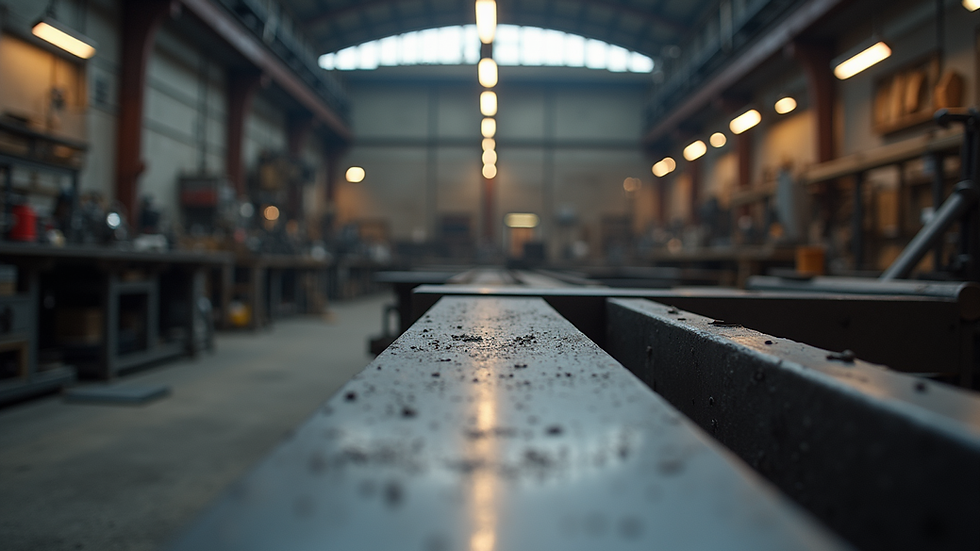
Structural steel fabrication involves the cutting, shaping, and assembling of steel components to create structures that can withstand loads and stresses. This process is essential for ensuring the integrity and safety of buildings and other infrastructures. Fabrication can include a variety of techniques, such as welding, cutting, and machining, which are tailored to meet specific project requirements.
The Importance of Structural Steel
Structural steel is favored for its strength-to-weight ratio, durability, and versatility. It can be used in various applications, including:
Buildings: High-rise structures, commercial buildings, and residential homes.
Bridges: Overpasses, pedestrian bridges, and railway bridges.
Industrial Structures: Factories, warehouses, and power plants.
The use of structural steel allows for faster construction times and reduced material costs, making it a popular choice among builders and architects.
Common Techniques in Structural Steel Fabrication
1. Cutting
Cutting is one of the first steps in the fabrication process. There are several methods used to cut steel, including:
Flame Cutting: This method uses a high-temperature flame to melt the steel, allowing for precise cuts. It is suitable for thick steel plates and can be used for both straight and curved cuts.
Plasma Cutting: Plasma cutting employs a high-velocity jet of ionized gas to cut through steel. This technique is faster than flame cutting and is ideal for thinner materials.
Laser Cutting: Laser cutting offers high precision and is often used for intricate designs. It is suitable for both thin and thick materials but can be more expensive than other methods.
2. Welding
Welding is a critical process in structural steel fabrication, as it joins steel components together to form a cohesive structure. Common welding techniques include:
MIG Welding (Metal Inert Gas): This method uses a continuous wire feed and an inert gas to protect the weld pool from contamination. It is versatile and suitable for various steel thicknesses.
TIG Welding (Tungsten Inert Gas): TIG welding provides high-quality welds and is often used for thin materials. It requires a higher skill level but results in cleaner welds.
Stick Welding: This traditional method uses a consumable electrode to create the weld. It is effective for outdoor work and in windy conditions.
3. Machining
Machining involves the removal of material from a steel component to achieve the desired shape and finish. Common machining techniques include:
Drilling: Creating holes in steel for bolts or other fasteners.
Milling: Removing material from the surface of steel to create flat or contoured shapes.
Grinding: Smoothing the surface of steel components to achieve a specific finish.
Quality Control in Steel Fabrication
Quality control is essential in structural steel fabrication to ensure that the final product meets safety and performance standards. This process includes:
Inspection: Regular inspections during fabrication to check for defects or deviations from specifications.
Testing: Conducting tests such as tensile tests, impact tests, and non-destructive testing to assess the material properties and integrity of the welds.
Certification: Ensuring that the fabrication process complies with industry standards and regulations, such as those set by the American Institute of Steel Construction (AISC).
Benefits of Structural Steel Fabrication
1. Speed of Construction
One of the primary advantages of using structural steel is the speed at which it can be fabricated and assembled. Pre-fabricated components can be manufactured off-site and then transported to the construction site, significantly reducing overall project timelines.
2. Cost-Effectiveness
While the initial cost of structural steel may be higher than other materials, its durability and low maintenance requirements can lead to long-term savings. Additionally, the speed of construction can reduce labor costs.
3. Design Flexibility
Structural steel can be easily shaped and customized to meet specific design requirements. This flexibility allows architects and engineers to create innovative and unique structures that may not be possible with other materials.
4. Sustainability
Steel is a recyclable material, making it an environmentally friendly choice for construction. Many steel fabrication companies prioritize sustainable practices, such as minimizing waste and using energy-efficient processes.
Challenges in Structural Steel Fabrication
Despite its many benefits, structural steel fabrication does come with challenges. Some of these include:
Material Costs: Fluctuations in steel prices can impact project budgets.
Skilled Labor Shortages: The demand for skilled welders and fabricators often exceeds supply, leading to potential delays.
Regulatory Compliance: Navigating the various regulations and standards can be complex and time-consuming.
Future Trends in Structural Steel Fabrication
As technology continues to advance, several trends are emerging in the field of structural steel fabrication:
1. Automation
Automation is becoming increasingly prevalent in steel fabrication, with robotic systems being used for tasks such as welding and cutting. This technology can improve precision and efficiency while reducing labor costs.
2. 3D Printing
3D printing is making its way into the construction industry, allowing for the rapid prototyping of steel components. This technology can streamline the design process and reduce material waste.
3. Advanced Software
The use of advanced software for design and project management is on the rise. These tools can help streamline the fabrication process, improve collaboration, and enhance project tracking.
Conclusion
Understanding structural steel fabrication techniques is essential for anyone involved in the construction industry. From cutting and welding to machining and quality control, each step plays a vital role in creating safe and durable structures. By embracing new technologies and practices, the industry can continue to evolve and meet the demands of modern construction.
As you consider your next construction project, keep in mind the benefits of structural steel and the importance of choosing a skilled fabricator. With the right techniques and expertise, you can ensure the success of your project and contribute to the creation of lasting structures.


Comments